Feasterville, Pennsylvania, United States, 30th Oct 2026 - Planning a construction or renovation project involves more than choosing materials and deciding on a budget. Understanding the expected timeline helps property owners prepare for disruptions, coordinate schedules, and make informed decisions throughout the process. General contracting projects can take anywhere from a few weeks to several months, depending on the scope of work, property conditions, material availability, and permit requirements.
Every project has different demands, so there is no single timeline that applies to every construction job. A small interior renovation may be completed relatively quickly, while a home addition or major commercial improvement may require extensive planning and multiple construction phases. Knowing what influences the schedule can help you set realistic expectations and communicate effectively with your contractor.
For property owners in Feasterville, understanding these factors is an important step toward planning a successful construction or renovation project.
Typical Timelines for Different Construction Projects
Project duration depends largely on the type and complexity of the work. Minor repairs or straightforward interior improvements may take days or weeks, while kitchen renovations, bathroom remodels, and larger upgrades can take several weeks or longer.
Home additions, major structural changes, and new construction typically require more time because they involve additional planning, inspections, and construction stages. These estimates are general guidelines rather than guaranteed completion dates.
Factors That Affect Project Duration
Several factors can influence how long a construction project takes. The size of the property, complexity of the design, existing structural conditions, and amount of work required all contribute to the schedule.
Unexpected repairs may also extend the timeline. For example, discovering damaged framing or outdated building systems during renovation can require additional work before construction continues.
Planning, Design, and Permits
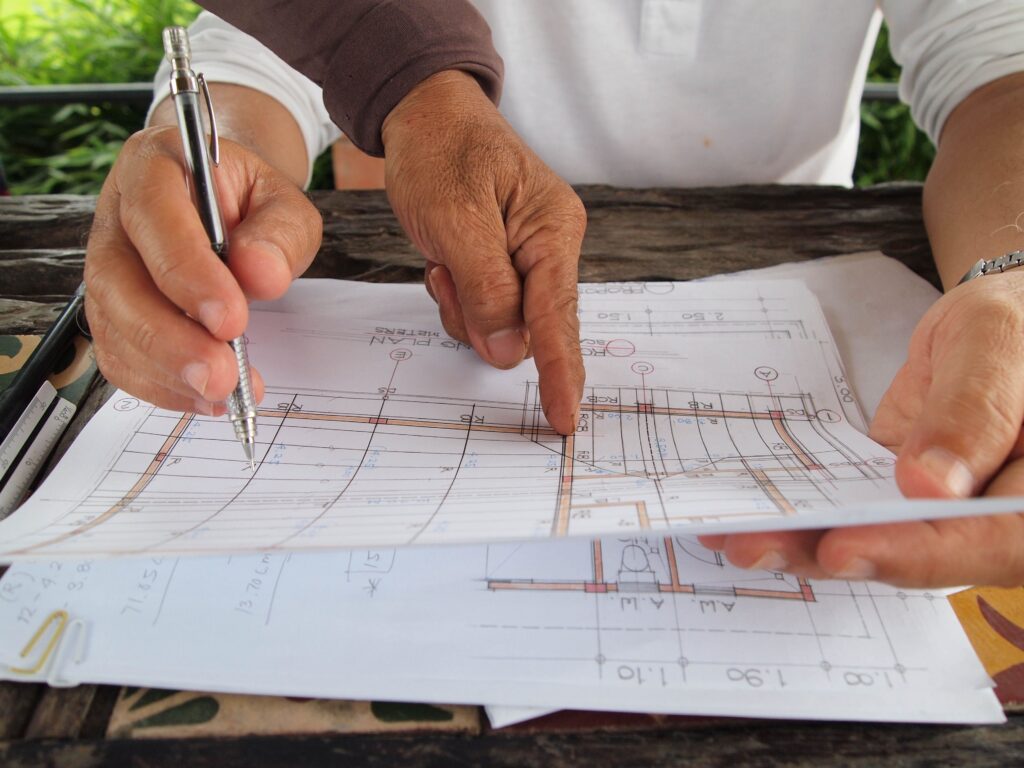
Before construction begins, projects may require consultations, design decisions, detailed estimates, and permit approvals. The time needed for these activities varies according to the project’s requirements and local regulations.
Completing important decisions early can help reduce delays later. Property owners should confirm which approvals are necessary and understand that construction may not begin until required permits have been issued.
Material Availability and Delivery
Construction schedules depend partly on whether materials are readily available. Standard supplies may arrive quickly, while custom cabinetry, specialty windows, or particular finishes can require longer lead times.
Ordering materials early and confirming delivery schedules can help keep work organized. However, suppliers may experience delays, so contractors and property owners should communicate about alternatives when appropriate.
Contractor Scheduling and Workforce Coordination
Construction projects often involve several trades, including carpenters, electricians, plumbers, and painters. Their work must be coordinated in the correct sequence, and scheduling conflicts can affect overall progress.
A general contractor helps organize these activities and coordinate the people involved. Clear communication about schedules, responsibilities, and expected milestones can make it easier to identify potential delays and adjust plans.

Weather and Site Conditions
Outdoor construction and projects involving roofs, foundations, or exterior structures can be affected by weather. Heavy rain, extreme temperatures, or unsuitable ground conditions may temporarily prevent certain tasks from moving forward.
Indoor projects can also encounter site-related challenges, particularly when renovations reveal unexpected damage. Allowing reasonable flexibility in the schedule helps property owners prepare for conditions that cannot be controlled.
Inspections and Building Requirements
Some projects require inspections at specific stages of construction. These inspections help verify that applicable building requirements have been addressed before work proceeds to the next phase.
The timeline may depend on inspection availability, the type of work being performed, and whether corrections are needed. Confirming inspection requirements before construction begins can help reduce avoidable scheduling problems.
Managing Changes During Construction
Changes to the original plan can affect both cost and completion time. Selecting different materials, adding rooms, changing layouts, or requesting additional features may require new orders, revised plans, or extra labor.
Before approving a change, ask how it will affect the schedule and overall project budget. Documenting agreed-upon changes helps everyone understand the updated scope and expectations.
How to Keep a Construction Project on Schedule
Property owners can support timely completion by finalizing important selections early, responding promptly to questions, and maintaining communication with the contractor. Discussing the project schedule and major milestones before work begins also helps establish shared expectations.
Regular progress updates make it easier to identify concerns before they become larger problems. Although not every delay can be prevented, proactive planning and clear communication can help keep the project organized.
Why a Realistic Timeline Matters
A realistic construction timeline helps property owners arrange temporary accommodations, plan around noise or restricted access, and coordinate other responsibilities. It also provides a reference for monitoring progress and understanding when important decisions are needed.
Rather than focusing only on the earliest possible completion date, consider whether the schedule accounts for preparation, construction, inspections, and final adjustments. A practical timeline supports better planning and helps reduce misunderstandings between everyone involved.
Frequently Asked Questions
How long does a typical construction project take?
The duration depends on the project’s size, complexity, and requirements. Smaller improvements may take weeks, while major renovations and new construction can take several months or longer.
What causes construction projects to run behind schedule?
Common causes include material shortages, weather conditions, permit delays, unexpected repairs, and changes to the original plan. Contractor scheduling and inspection availability can also affect progress.
Can I shorten my construction timeline?
Finalizing designs, selecting materials early, and communicating promptly can help reduce avoidable delays. However, necessary inspections, proper construction procedures, and required approvals should not be rushed.
Should I expect delays during a renovation?
Delays are possible, especially when hidden problems are discovered after work begins. Discuss potential risks and schedule flexibility with your contractor before construction starts.
How can I track construction progress?
Ask your contractor for a project schedule with major milestones and regular progress updates. Reviewing completed work and discussing upcoming tasks helps you understand whether the project is progressing as expected.
Conclusion
The time required to complete a general contracting project depends on several interconnected factors, including project size, planning, material availability, workforce coordination, weather, and inspections. Smaller improvements may take weeks, while larger renovations and construction projects can require several months or more. Understanding these variables helps property owners establish realistic expectations and prepare for potential changes.
Careful planning, timely decisions, and consistent communication can help minimize avoidable delays. Before work begins, discuss the expected schedule, project milestones, permit requirements, and procedures for handling changes with your contractor. These conversations can help establish a clearer understanding of the work and the steps needed to complete it.
Plan Your Next Project with Thomas General Contracting
Planning a construction or renovation project in Feasterville? Thomas General Contracting can be a point of contact for discussing your project goals, scope of work, and scheduling considerations. Call 215-703-8324 to discuss your needs and ask about the next steps.
Every project has its own requirements, so discussing the details early can help you understand the planning process and develop realistic expectations. Contact Thomas General Contracting to learn more about your project options and how to begin planning your construction work.
Media Contact
Organization: Thomas General Contracting
Contact Person: Thomas General Contracting
Website: https://thomasgeneral.com/
Email: Send Email
Contact Number: +12673125728
Address: 70 Irving Pl, Feasterville-Trevose, PA 19053, United States
Address 2: 5X3W+52 Feasterville, Pennsylvania, USA
City: Feasterville
State: Pennsylvania
Country: United States
Release id: 50344
View source version on King Newswire:
How Long Does a General Contracting Project Take